Most traders spend hundreds of hours searching for better entries, indicators, and strategies.
Very few spend time reviewing themselves.
That’s the difference.
The traders who survive long term are not necessarily the smartest or the most aggressive. They are the ones who constantly study their own behavior, improve decision-making, and refine execution week after week.
Consistent traders treat trading like a performance business.
And every performance business runs on reviews.
A weekly trading review is not just about looking at profits and losses. It is about identifying patterns, emotional triggers, strengths, weaknesses, and hidden opportunities that cannot be seen during live market conditions.
This process is where random traders slowly become professionals.
Why Most Traders Never Improve
The majority of retail traders repeat the same cycle:
- Trade emotionally
- Overtrade after losses
- Break risk rules
- Ignore data
- Move to another strategy
- Repeat
Without review, mistakes become habits.
And habits eventually define performance.
The market gives feedback every single day, but most traders never document or analyze it properly.
That’s why many traders stay stuck for years despite spending thousands of hours in front of charts.
Consistent traders do something differently:
They review before they react.
The Purpose of a Weekly Trading Review
A proper review session helps traders:
- Identify recurring mistakes
- Discover high-performing setups
- Improve risk management
- Control emotional trading
- Build confidence through data
- Reduce randomness
- Increase consistency
More importantly, it creates self-awareness.
And in trading, self-awareness is an edge.
Step 1: Export & Organize All Trades
Professional traders begin by collecting every trade taken during the week.
This includes:
- Entry and exit screenshots
- Position size
- Risk-to-reward ratio
- Profit/loss
- Notes before and after execution
- Emotional state during the trade
The goal is to build a complete picture of decision-making.
Most traders rely on memory.
That is a mistake.
Memory is emotional and selective. Data is objective.
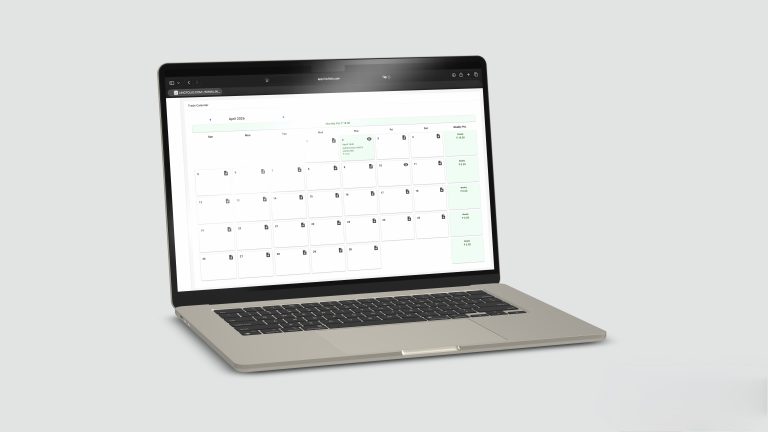
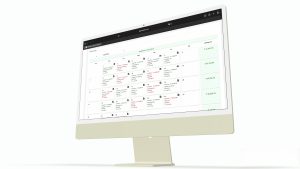
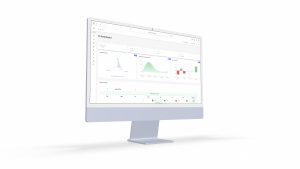
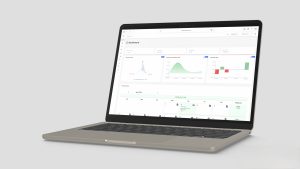
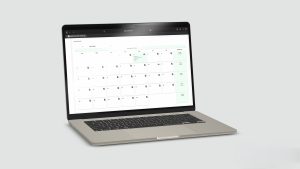
This is why trading journals and analytics platforms have become essential for serious traders.
Step 2: Review Performance Metrics
This is where traders stop thinking emotionally and start thinking statistically.
Instead of asking:
“Did I make money this week?”
Consistent traders ask:
- Was my execution clean?
- Did I follow my rules?
- Which setups performed best?
- Which conditions hurt performance?
- Did I manage risk properly?
Key metrics reviewed weekly include:
Win Rate
Useful, but often misleading without context.
Average Risk-to-Reward
A trader with a lower win rate can still be highly profitable with proper RR.
Expectancy
One of the most important metrics in trading performance.
It answers:
“How much do I expect to make per trade over time?”
Maximum Drawdown
Helps identify emotional instability and poor risk control.
Average Holding Time
Shows whether trades are being exited too early or held emotionally.
Best Performing Setup
This reveals where the real edge exists.
Elite traders often make the majority of profits from a small percentage of setups.
Step 3: Identify Emotional Mistakes
This is the most ignored part of trading review.
And often the most important.
Consistent traders study emotional patterns aggressively.
Questions asked during review:
- Did I revenge trade?
- Did I force trades out of boredom?
- Did fear affect exits?
- Did greed affect position sizing?
- Did I hesitate on valid setups?
- Was I mentally distracted?
Most trading losses are not technical.
They are emotional.
The market simply exposes internal weaknesses under pressure.
This is why two traders can use the exact same strategy and get completely different results.
Step 4: Separate Good Trades From Bad Trades
Many traders judge trades purely based on profit.
Professionals judge trades based on execution quality.
A profitable trade can still be a bad trade if rules were broken.
And a losing trade can still be an excellent trade if execution followed the system perfectly.
This mindset shift changes everything.
Consistent traders categorize trades into:
Good Trades
- Followed the plan
- Correct risk management
- High-quality execution
- Emotionally stable
Bad Trades
- Impulsive entries
- Overleveraged positions
- Rule violations
- Emotional decision-making
The goal is to reward discipline, not outcomes.
Step 5: Find Repeating Patterns
After enough weekly reviews, patterns become obvious.
Examples:
- Losses mainly happen during low-volume sessions
- Overtrading occurs after winning streaks
- Best trades happen when risk is reduced
- Emotional trades increase during stressful weeks
This is where transformation happens.
Because once a pattern becomes visible, it becomes fixable.
Most traders never reach this stage because they never collect enough structured data.
Step 6: Create Rules for Next Week
Review without adjustment is useless.
Every review session should end with actionable improvements.
Examples:
- “Maximum 3 trades per day.”
- “No trading after two consecutive losses.”
- “Reduce risk during volatile sessions.”
- “Only trade A+ setups.”
- “Wait for confirmation before entry.”
Professional traders are constantly refining systems around their own psychology.
That’s how consistency is built.
Step 7: Build a Personal Trading Playbook
Over time, weekly reviews create something extremely valuable:
A personal operating system.
This includes:
- Best setups
- Best market conditions
- Emotional triggers
- Risk parameters
- Execution models
- Performance statistics
This becomes a trader’s competitive advantage.
Because profitable traders are not random.
They understand themselves deeply.
The Hidden Truth About Consistent Traders
Most people think profitable traders spend all day finding opportunities.
In reality, they spend a huge amount of time reviewing behavior, analyzing data, and protecting mental discipline.
The difference between amateur and professional trading is not intelligence.
It is structure.
Random traders chase excitement.
Consistent traders chase clarity.
Why Journaling Changes Everything
Trading without review is like trying to improve at a sport without watching recordings, analyzing mistakes, or tracking performance.
It slows growth dramatically.
A structured journal allows traders to:
- Track emotional patterns
- Analyze execution quality
- Review setups
- Measure consistency
- Build accountability
Over time, this creates precision.
And precision creates confidence.
Final Thoughts
Most traders are searching for a strategy powerful enough to save them.
But consistency rarely comes from finding something new.
It comes from understanding what is already happening repeatedly.
The traders who improve the fastest are not the ones taking the most trades.
They are the ones studying themselves honestly every single week.
Because in trading, self-awareness compounds just like capital.
And the traders who review relentlessly are usually the ones still standing years later.
Conclusion
Your strategy matters.
But your review process determines whether you evolve or stay stuck.
The market rewards traders who can adapt, refine, and stay disciplined under pressure.
That starts with data.
That starts with review.
That starts with treating trading like a professional performance business.