Discipline isn’t built in one perfect trade. It’s built over hundreds of ordinary decisions.
When people imagine a successful trader, they often picture someone staring at six monitors, making rapid-fire decisions and celebrating huge profits.
Reality looks very different.
The traders who stay profitable year after year usually live surprisingly predictable weeks. Their edge isn’t excitement—it’s consistency. They don’t wake up hoping the market pays them. They show up with a process, follow it, and let the numbers compound over time.
Here’s what a typical week looks like for a disciplined trader.
Monday: Preparation Before Prediction
Monday doesn’t begin with finding the “best stock.”
It begins with preparation.
A disciplined trader reviews the previous week’s performance before opening a chart.
Questions like:
What mistakes did I repeat?
Which setups worked best?
Did I follow my risk rules?
Was I patient enough?
What can I improve this week?
Only after reviewing the data does market analysis begin.
The objective isn’t to predict the market.
It’s to prepare for multiple possibilities.
Mindset:
“The market owes me nothing. My job is simply to execute my plan.”
Tuesday: Execute Without Emotion
Tuesday is often about execution.
The disciplined trader already knows:
What setups they’re waiting for.
How much they’re willing to risk.
Where they’ll exit if wrong.
When they’ll take profits.
There’s no room for impulsive decisions.
Sometimes only one trade is taken.
Sometimes none.
And that’s okay.
Because discipline isn’t measured by activity.
It’s measured by decision quality.
Wednesday: Midweek Reality Check
Halfway through the week, emotions start creeping in.
Maybe the trader has had three winners in a row.
Maybe they’ve had three losses.
Neither changes the plan.
Instead of chasing profits or recovering losses, disciplined traders pause.
They review:
Are trades still following the plan?
Am I forcing opportunities?
Is my confidence becoming overconfidence?
Is fear affecting my decisions?
A five-minute review can prevent five days of emotional trading.
Thursday: Protect the Process
Thursday isn’t about making the week profitable.
It’s about protecting what’s already been built.
Many traders destroy an entire week’s progress by overtrading before the weekend.
Disciplined traders understand something important:
Protecting capital is part of growing capital.
If quality setups don’t appear…
They simply don’t trade.
No boredom trades.
No revenge trades.
No “just one more.”
Friday: Review Before Results
Most traders end the week by checking their P&L.
Professional traders begin there, but they don’t stop there.
Instead, they ask:
Did I follow my rules?
Did I respect my stop-loss?
Which setups had the highest probability?
Which mistakes happened more than once?
What should I stop doing next week?
Because profits can sometimes come from bad decisions.
And losses can come from excellent decisions.
Judging yourself only by money creates dangerous habits.
Judging yourself by execution builds consistency.
Saturday: Study the Data
The market may be closed.
Learning isn’t.
Saturday becomes the trader’s research day.
Charts are reviewed.
Patterns are studied.
Trade screenshots are categorized.
Metrics are analyzed.
Questions answered include:
Which strategy performs best?
Which market conditions suit me?
Which mistakes cost me the most?
What time of day am I most profitable?
Every review makes next week’s decisions clearer.
Sunday: Reset
Sunday is quiet.
No predictions.
No hype.
No chasing news.
The focus shifts to recovery.
Good sleep.
Exercise.
Time with family.
Mental clarity.
Then the trading plan is prepared for Monday.
Professional traders understand that performance depends on energy just as much as knowledge.
The Difference Isn’t Intelligence
Many people believe successful traders simply know more.
In reality, they often repeat simple habits more consistently.
They:
Follow one trading plan.
Risk a fixed amount per trade.
Record every trade.
Review every mistake.
Learn from data instead of emotions.
Stay patient when opportunities aren’t present.
None of these habits are exciting.
Together, they’re incredibly powerful.
Your Journal Is Your Coach
Memory is selective.
Emotions rewrite history.
Data doesn’t.
A trading journal helps you answer questions that memory never can:
Why do I perform better on certain days?
Which setup generates the highest expectancy?
Where do most of my losses come from?
Am I actually improving or just hoping I am?
The more you document, the more objective your decisions become.
Trading becomes less about guessing.
More about improving.
Final Thoughts
Every trader dreams of a profitable week.
Very few build the habits that make profitable years possible.
The market rewards consistency far more than excitement.
One disciplined trade.
One honest review.
One lesson learned.
Repeated week after week.
That’s how professionals are built.
And that’s how consistency becomes your greatest edge.
Ready to trade with more clarity?
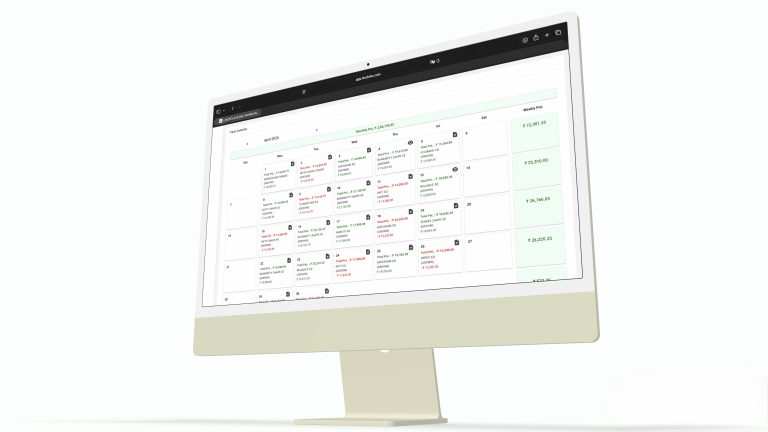
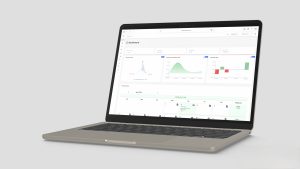
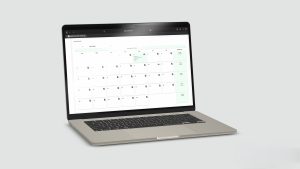
LINCFOLIO helps you record every trade, review your performance objectively, uncover hidden patterns, and build the discipline that separates consistent traders from emotional ones.
Because profitable trading isn’t just about making better trades, it’s about becoming a better trader.