
Lincfolio Blog

Learn, grow, and stay inspired with our daily blogs.

Why Most Traders Fail Without a Trading Journal | Lincfolio

Most traders don’t fail because of strategy.
They fail because they never truly understand their own behavior.
The difference between emotional trading and professional trading is data, discipline, and self-awareness.
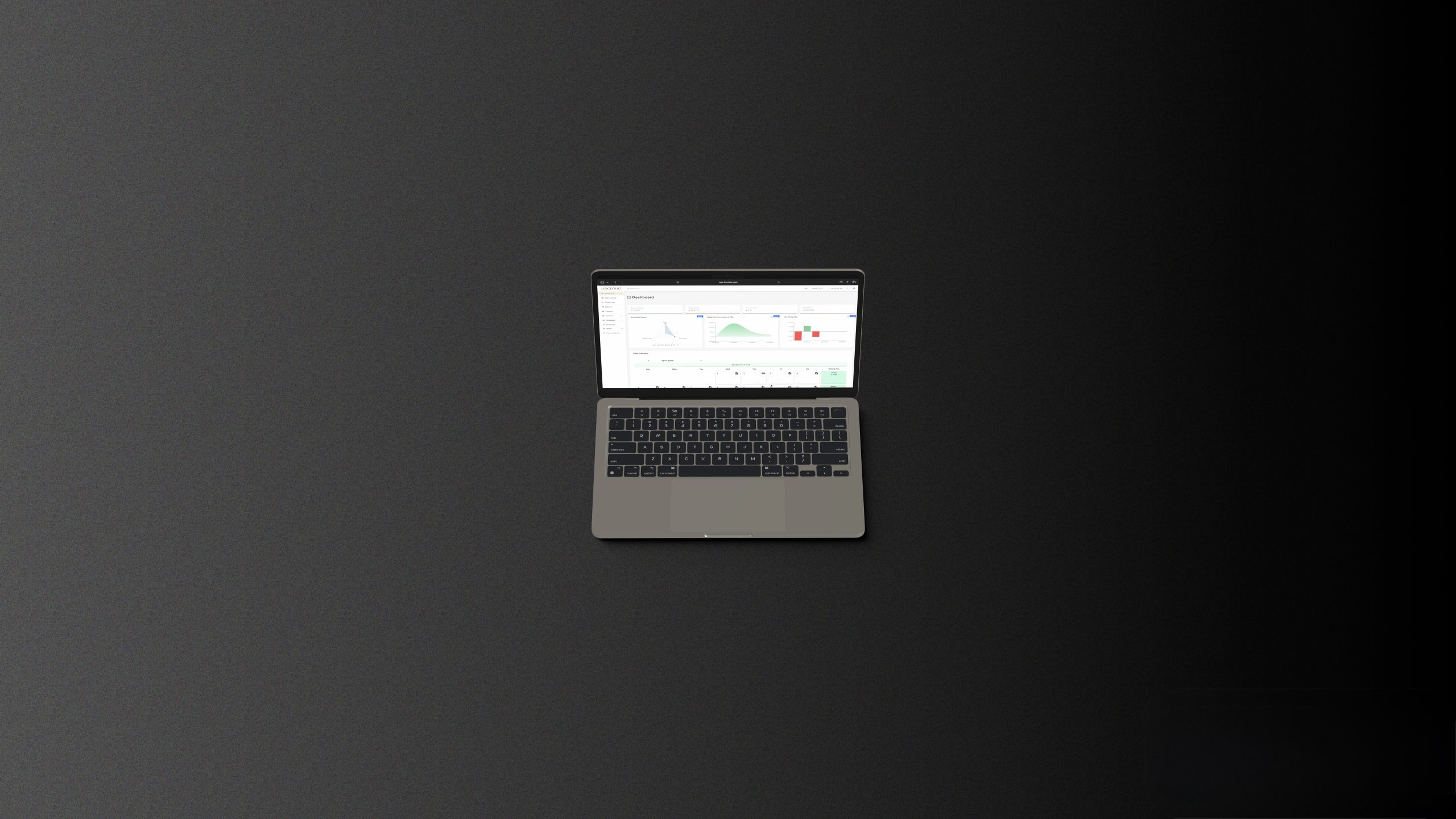
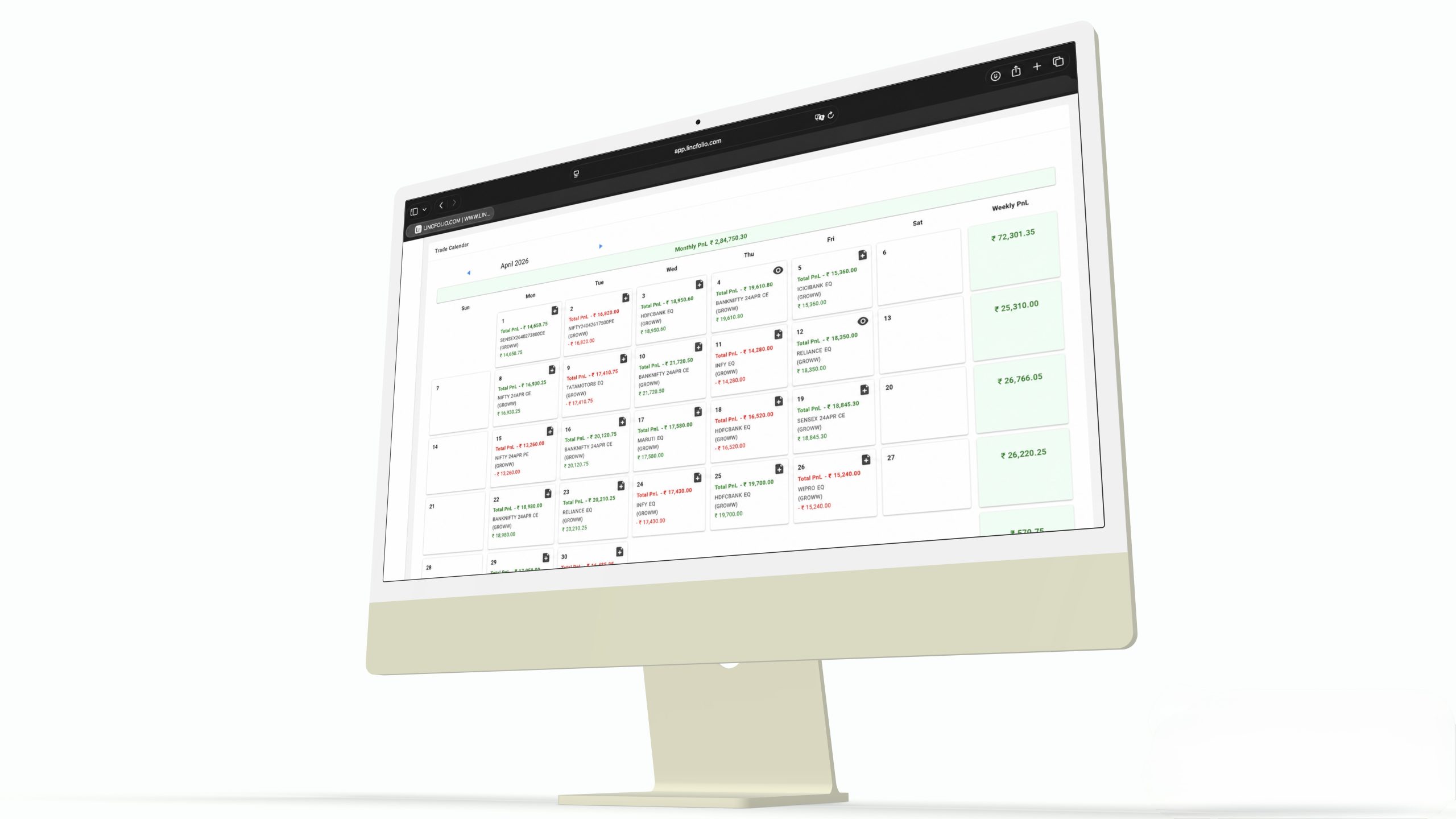
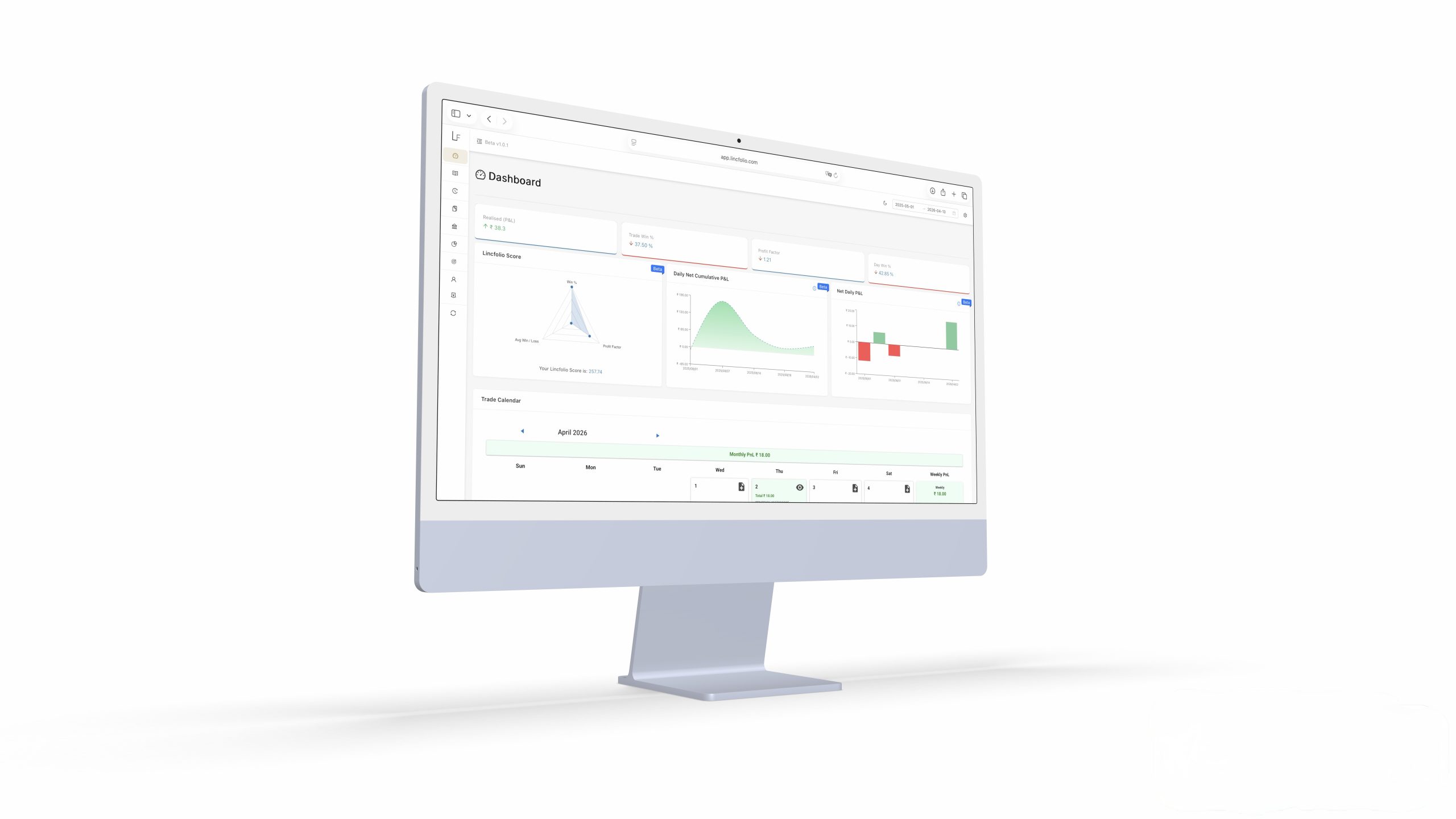
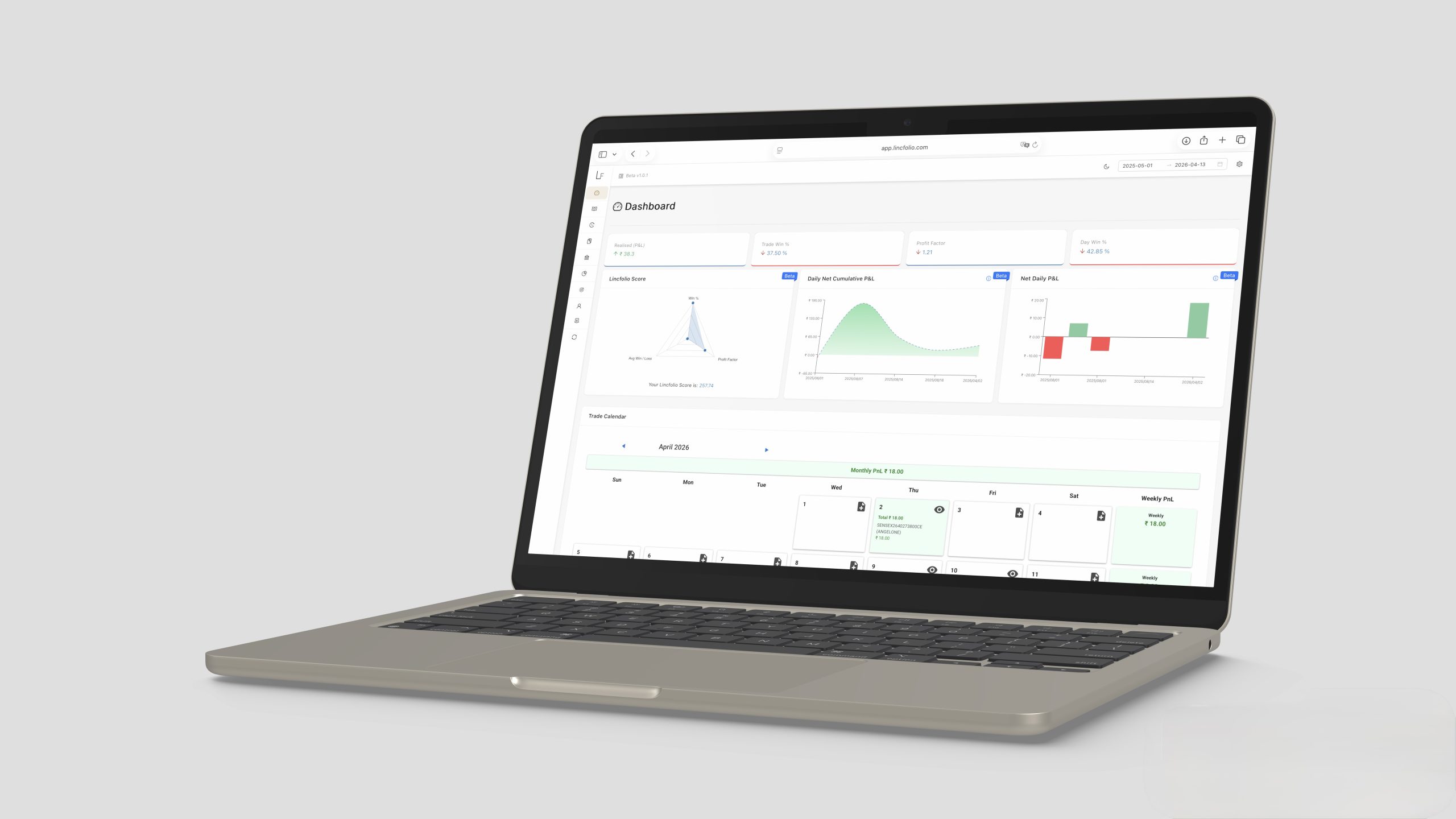
That’s why modern traders are turning to Lincfolio — a trading journal built to transform scattered trades into measurable growth.
Track smarter. Trade clearer. Evolve faster.

Read More

The Exact Weekly Review Process Used by Consistent Traders

Most traders don’t lose because of bad strategies.
They lose because they repeat the same mistakes every single week without realizing it.

Consistent traders operate differently.

Every weekend, they review:
• their best setups
• emotional mistakes
• risk management
• performance metrics
• execution quality

Here’s the exact weekly review process serious traders use to improve faster and trade with clarity.

Read More

Trading Without Records Is Gambling

Most traders believe their losses come from poor strategies or bad market conditions. The truth is far simpler: they don’t track their trades. Without records, trading becomes guesswork rather than a measurable performance activity. Journaling every trade transforms random decisions into a structured process and that is where consistent profitability begins.

Read More

How to Identify Your Best & Worst Trade Setups

Most traders don’t fail because of bad strategies, they fail because they don’t know which strategies actually work. In this guide, you’ll learn how to identify your best and worst trade setups using real data, eliminate what’s hurting your performance, and double down on what truly makes you profitable.

Read More

Why Tracking Trades Is More Important Than Finding Setups

Most traders spend countless hours searching for the perfect setup—yet very few take the time to analyze the trades they’ve already taken. The truth is, profitable trading doesn’t come from finding more setups; it comes from understanding your own performance. Tracking your trades reveals patterns, exposes mistakes, and turns random decisions into a structured process. This is where real trading improvement begins.

Read More