Introduction: Success Leaves Clues — Especially in Trading
Every legendary trader whether it’s George Soros, Jesse Livermore, Paul Tudor Jones, Ray Dalio, or Stanley Druckenmiller shares one truth:
👉 They do not trade blindly. They track, document, review, and refine every decision.
Behind every billion-dollar trade is a system…
Behind every system is data…
And behind the data is rigorous journaling and reflection.
This is where most retail traders fail and where legends win.
In this blog, we break down timeless lessons from the greatest traders of all time, and how modern traders can apply them using tools like LINCFOLIO, the premium digital trading journal built for disciplined and ambitious market players.
1. George Soros: Protect Capital Like It’s Your Oxygen
His Core Lesson:
It’s not about being right. It’s about not staying wrong.
Soros is famous for being ruthless with losing trades and aggressive with winning ones.
How You Can Apply This
-
Cut losses immediately when your thesis breaks.
-
Focus on risk management over prediction.
-
Use journaling to identify when you hold losing trades emotionally, not logically.
How Lincfolio Helps
Track exit reasons, emotional triggers, and risk ratios so you start cutting losses fast.
2. Jesse Livermore: Your Trading Journal Is Your Greatest Teacher
Livermore kept detailed handwritten journals his personal “market bible.”
His Core Lesson:
“A trader who doesn’t keep records is doomed to repeat mistakes.”
How You Can Apply This
-
Document entries, exits, market conditions, emotional state.
-
Analyse repeated patterns in your winning and losing trades.
-
Review weekly to build a personal trading rulebook.
How Lincfolio Helps
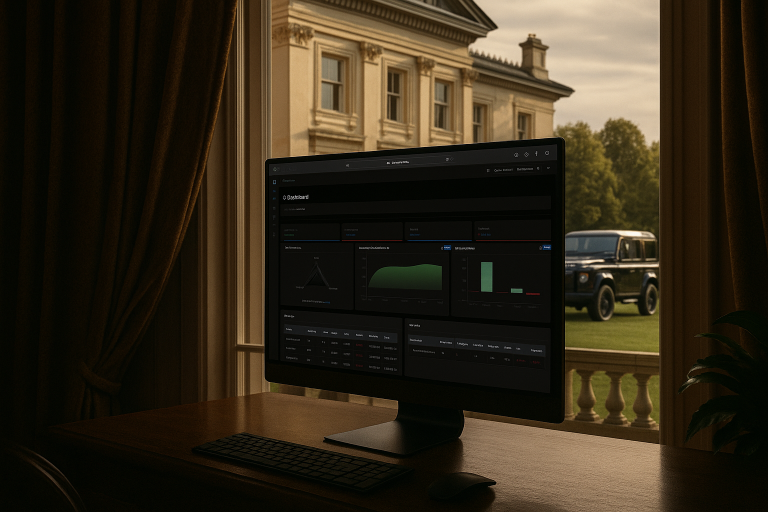
LINCFOLIO converts your trading data into beautiful analytics, a luxury dashboard that becomes your personal strategy blueprint.
3. Paul Tudor Jones: Discipline > Genius
His Core Lesson:
“Don’t be a hero. Be a risk manager.”
What made PTJ iconic is self-discipline, he journals daily, meditates, and reviews trades religiously.
How You Can Apply This
-
Never risk more than a small percentage of capital.
-
Maintain consistency in your daily trading routine.
-
Use structured reflection to avoid emotional decisions.
How Lincfolio Helps
Daily routine tracking + discipline scores help create elite-level self-control.
4. Ray Dalio: Systemize Your Thinking
Dalio built his trillion-dollar success on principles documented, repeated, and refined.
His Core Lesson:
Turn your decisions into rules. Let data speak louder than emotion.
How You Can Apply This
-
Convert your best trades into step-by-step checklists.
-
Rate your decisions, not just outcomes.
-
Track biases and recurring emotional mistakes.
How Lincfolio Helps
Tag trades with Principles, review patterns, and create your personal trading playbook.
5. Stanley Druckenmiller: When You Know, Press Hard
His Core Lesson:
“The best trades are obvious, but only if you’ve done the work.”
Druck presses aggressively on trades where conviction is backed by data.
How You Can Apply This
-
Avoid overtrading; wait for high-probability setups.
-
Increase size only when your journal proves your edge.
-
Build conviction through consistent data review.
How Lincfolio Helps
Performance metrics show which setups have the highest win rate so you scale smart, not emotional.
⭐
The Common Thread Among All Legendary Traders
Every single legendary trader shares these habits:
✔ They journal
✔ They review
✔ They analyze
✔ They refine
✔ They treat trading as a craft not a gamble
The difference between a struggling trader and a profitable one often comes down to:
👉 Clarity
👉 Data
👉 Discipline
👉 Reflection
LINCFOLIO was built exactly around these pillars combining luxury design with data-driven performance coaching.
Conclusion: If You Copy Their Habits, You Can Copy Their Success
You don’t need billion-dollar capital to think like a billion-dollar trader.
You just need:
The world’s best traders don’t rely on memory.
They rely on data.
They rely on reflection.
And modern traders rely on Lincfolio.