Journaling

Profitable Traders Are Boring
Profitable Traders Are Boring.
They don’t chase every move.
They don’t revenge trade.
They don’t need to trade


“How much money do I need to start trading?”
This is one of the most searched questions in trading and also one of the most misunderstood.
Social media shows traders flipping small accounts into massive profits. Brokers advertise “Start trading with just ₹500”. But the reality is very different.
In this article, we’ll break down how much capital you really need to trade, depending on your trading style, market, psychology, and long-term goals without hype, without false promises.
Most traders don’t fail because their strategy is bad.
They fail because they start with the wrong capital expectations.
Under-capitalization leads to:
Overtrading
Emotional decision-making
Revenge trading
Poor risk management
Early burnout
Trading is not just about making money, it’s about surviving long enough to become consistent.
Yes, technically you can start trading with a small amount.
But the real question is:
Can you trade professionally, consistently, and sustainably with it?
For most people, the answer is no.
Capital is not just fuel, it’s psychological safety.
There is no single number. The right capital depends on:
Your trading style
The market you trade
Risk per trade
Expected drawdowns
Your income expectations
Let’s break each one down.
Capital requirement: Medium to High
Multiple trades per day
Higher transaction costs
Requires tighter risk control
Emotionally demanding
 Suggested capital (India): ₹1,00,000 – ₹5,00,000+
Capital requirement: Medium
Fewer trades
Lower stress
Better for part-time traders
Suggested capital: ₹50,000 – ₹2,00,000+
Capital requirement: Flexible
Longer holding periods
Lower emotional pressure
Better compounding potential
Suggested capital: ₹25,000 – ₹1,00,000+
Lower leverage
Lower risk
Slower growth
 Best for beginners with limited capital
High leverage
High risk
Fast drawdowns if unmanaged
 Under-capitalized traders lose fastest here
Minimum practical capital: ₹2,00,000 – ₹5,00,000+
Highly volatile
Emotionally intense
Requires strict journaling and risk tracking
Only suitable with disciplined risk management
Professional traders risk 1–2% per trade.
Let’s do the math:
Capital: ₹1,00,000
Risk per trade (1%): ₹1,000
10 losing trades = ₹10,000 drawdown
Now imagine risking 10–20% per trade because capital is low.
That’s not trading. That’s gambling.
Every strategy has losing streaks.
Even good traders face:
10–20% drawdowns
Multiple consecutive losses
Flat months
If your capital:
Forces you to recover losses emotionally
Makes you break rules
Makes you chase trades
Your capital is too small for your mindset
Ask yourself honestly:
Are you learning or earning?
Are you trading for income or skill-building?
Do you expect monthly withdrawals?
Smaller capital is fine Focus on discipline, journaling, and review Survival > profits
Small capital will frustrate you You need room for drawdowns You need consistency, not excitement
Low capital causes:
Over-leverage
Emotional mistakes
Strategy hopping
Lack of patience
No performance tracking
Most traders don’t lose money because markets are hard.
They lose because they don’t track, review, and improve.
Two traders with the same capital will get very different results.
The difference?
One tracks every trade
One reviews performance weekly
One understands their psychology
One uses data to improve
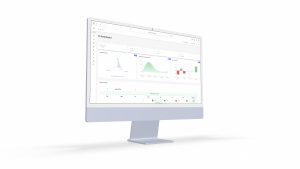
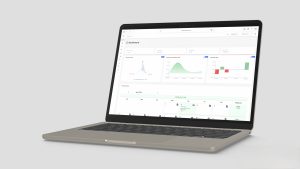
This is where LINCFOLIO comes in.
LINCFOLIO helps traders:
Track every trade automatically
Analyze performance metrics
Identify mistakes early
Build discipline and consistency
Trade like a professional not a gambler
Capital gives you entry. Journaling gives you longevity.
Beginners: ₹25,000 – ₹50,000 (learning phase)
Serious retail traders: ₹1,00,000 – ₹3,00,000
F&O traders: ₹3,00,000 – ₹5,00,000+
But remember:
Even ₹10,00,000 is not enough if you trade without discipline.
Markets don’t care about your capital.
But your psychology does.
If you want to:
Trade consistently
Control emotions
Improve faster
Avoid repeating mistakes
You need more than money.
You need structure, data, and self-awareness.
That’s what separates traders who survive from traders who disappear.
Build your trading process with LINCFOLIO.
Profitable Traders Are Boring.
They don’t chase every move.
They don’t revenge trade.
They don’t need to trade
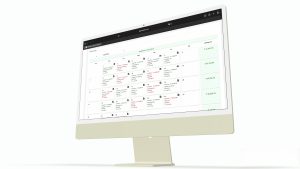
What does a profitable trader’s week actually look like?
It isn’t filled with constant trades or perfect predictions. It’s
Most traders spend years searching for a profitable strategy.
Few spend time understanding themselves.
A strategy tells you
Most traders don’t fail because of strategy.
They fail because they never truly understand their own behavior.
The
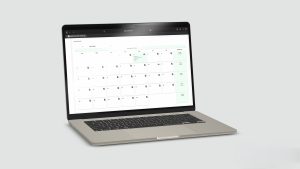
Most traders don’t lose because of bad strategies.
They lose because they repeat the same mistakes every single week
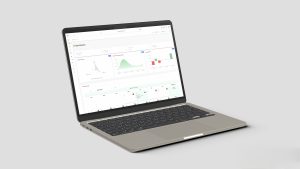
Most traders believe their losses come from poor strategies or bad market conditions. The truth is far simpler: they don’t