The psychological edge that separates winners from the rest.
In trading, people obsess over charts, indicators, and strategies. But ask any consistently profitable trader what truly matters, and they’ll point toward one thing:
Mindset.
A profitable trader isn’t defined by luck, early wins, or a perfect strategy. They’re defined by how they think, react, and improve. Unprofitable traders lose not because of poor technical skill, but because of a mindset that sabotages their potential long before the market does.
This article breaks down the real mindset differences between those who build long-term wealth in the markets and those who remain stuck in cycles of hope, fear, and frustration.
1. Profitable Traders Play the Long Game. Unprofitable Traders Chase the Next Trade.
Profitable traders understand that the market rewards consistency, not speed.
They compound: discipline → growth → mastery.
Unprofitable traders chase: signals → noise → losses.
Profitable traders:
-
Wait for confirmed setups.
-
Respect risk.
-
Focus on monthly/quarterly performance.
-
Know that wealth is built over years.
Unprofitable traders:
-
Jump into trades out of FOMO.
-
Try to “make it back quickly.”
-
Change strategies after every losing day.
-
Treat trading like a shortcut, not a skill.
The shift:
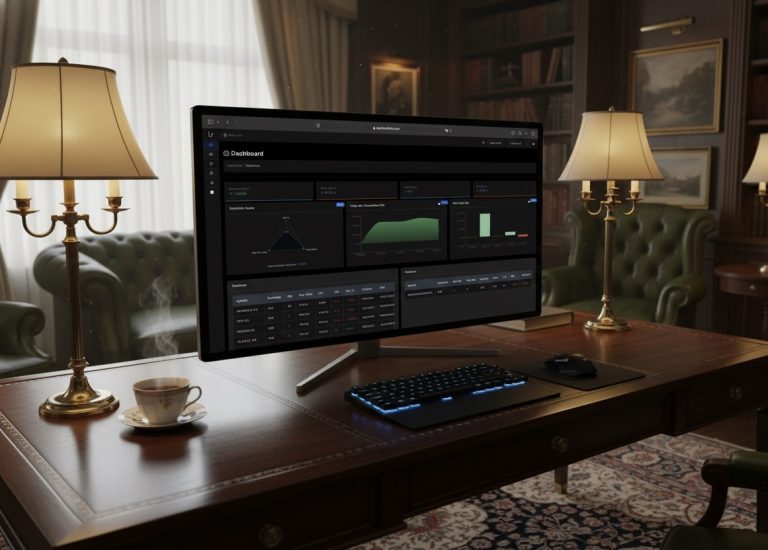
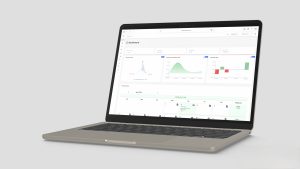
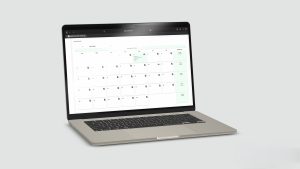
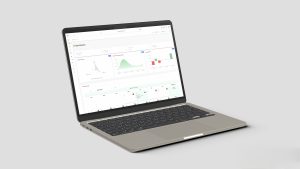
Stop chasing trades. Start tracking your long-term performance and seeing patterns, this is exactly why structured journaling exists.
2. Profitable Traders Control Emotions. Unprofitable Traders Are Controlled by Them.
The market has no emotions, but humans do and that’s where the real battle lies.
Profitable traders:
Unprofitable traders:
The most successful traders treat emotional intelligence as a technical indicator.
3. Profitable Traders Review. Unprofitable Traders Repeat.
Consistency doesn’t come from trading more it comes from reviewing more.
Profitable traders:
-
Revisit every trade.
-
Identify patterns in winners and losers.
-
Understand mistakes deeply.
-
Improve processes week by week.
Unprofitable traders:
-
Avoid looking at losses.
-
Rely on memory instead of data.
-
Repeat the same errors for months.
-
Believe the “next trade” will fix everything.
A journal becomes your personal database is your edge.
A trader who reviews their past is always one step ahead of the market.
4. Profitable Traders Think in Probabilities. Unprofitable Traders Think in Certainty.
The biggest misconception unprofitable traders have is expecting every trade to work.
Profitable traders:
-
Focus on positive expectancy.
-
Accept losses as normal business expenses.
-
Think in terms of R:R, win rate, and risk.
-
Are comfortable being wrong often.
Unprofitable traders:
-
Seek the “one perfect setup.”
-
Fear losing money more than making it back.
-
Believe good traders always know what’s coming.
-
Refuse to accept uncertainty.
Trading is not prediction, it’s risk management.
5. Profitable Traders Have Systems. Unprofitable Traders Have Dreams.
A system is a set of rules.
A dream is just hope without action.
Profitable traders:
-
Have defined entry, exit, risk, and review processes.
-
Document everything.
-
Stick to their system even on emotional days.
-
Evolve through data-driven decisions.
Unprofitable traders:
-
Trade based on intuition or confidence.
-
Change strategies every week.
-
Rely on luck or motivation.
-
Have no documented plan or written rules.
Profitability is built on structure and structure lives inside a journal.
6. Profitable Traders Focus on Process. Unprofitable Traders Focus on Outcome.
The irony is this:
The more you chase profits, the more they run away.
Profitable traders:
-
Track daily improvements.
-
Follow their routine with discipline.
-
Trust the process during drawdowns.
-
Know consistency produces profit.
Unprofitable traders:
-
Judge themselves by daily P&L.
-
Break rules after one losing trade.
-
Lose confidence easily.
-
Obsess over making money “today.”
Success in trading is an identity. Not a result.
Conclusion: The Mindset Shift Begins With Accountability
The traders who win and stay winning, do one thing exceptionally well:
They document everything.
A journal becomes:
✔ a mirror
✔ a measuring tool
✔ a performance map
✔ a mindset trainer
✔ a long-term blueprint for mastery
LINCFOLIO was built for exactly that purpose to elevate traders from reactive to elite, from emotional to structured, from inconsistent to unstoppable.
Because mindset isn’t taught in charts.
It’s built in your habits.
And your habits live inside your journal.