The Real Problem: You’re Trading Blind
Every trader believes they “know” their strategy.
- “Breakouts work for me.”
- “I’m good at reversals.”
- “I just need better entries.”
But here’s the truth:
If you’re not tracking and comparing your setups, you’re guessing not trading.
Without structured data:
- You repeat losing setups unknowingly
- You abandon winning strategies too early
- You let emotions override logic
And over time, this destroys consistency.
What Is a “Trade Setup,” Really?
A trade setup isn’t just an entry.
It’s a repeatable pattern with defined rules, including:
- Entry condition
- Stop loss logic
- Risk-reward structure
- Market context (trend, range, news, etc.)
Examples:
- Breakout above resistance
- Pullback in uptrend
- Range reversal
- News-based volatility trade
The key is this:
👉 Every trade you take should belong to a clearly defined setup.
Step 1: Label Every Trade (This Changes Everything)
If you don’t label your trades, you can’t analyze them.
Start tagging each trade with:
- Setup name (e.g., “Breakout”, “Pullback”)
- Market condition (Trending / Sideways)
- Timeframe
- Risk %
This creates structure.
Over time, you’ll stop seeing trades as random outcomes and start seeing patterns.
Step 2: Track the Right Metrics (Not Just P&L)
Most traders only look at profit or loss.
That’s a mistake.
To identify your best setups, you need deeper metrics:
📊 Key Metrics to Track:
- Win Rate (%)
- Average Risk-Reward Ratio
- Expectancy (Most Important)
- Max Drawdown per Setup
- Consistency (streak behavior)
⚠️ Reality Check:
- A setup with 40% win rate can be highly profitable
- A setup with 70% win rate can still lose money
👉 Expectancy > Win Rate
Step 3: Compare Setups Side-by-Side
This is where most traders fail.
They track trades… but never compare.
To truly understand performance, you need to answer:
- Which setup makes the most money?
- Which setup causes the biggest losses?
- Which setup is consistent vs volatile?
Example:
| Setup |
Win Rate |
Avg RR |
Expectancy |
Result |
| Breakout |
42% |
2.5R |
+0.6 |
Profitable ✅ |
| Pullback |
65% |
1.2R |
+0.2 |
Stable ✅ |
| Reversal |
55% |
0.8R |
-0.1 |
Losing ❌ |
👉 Even with a decent win rate, the reversal setup is killing performance.
Step 4: Identify Your Best Setup
Your best setup is NOT:
- The one you like most
- The one you see on social media
- The one that “feels right”
Your best setup is:
👉 The one with the highest positive expectancy and consistency over time
Once identified:
- Increase focus on it
- Allocate more capital (gradually)
- Refine execution
This is how professionals scale.
Step 5: Eliminate or Fix Your Worst Setup
Your worst setup will show clear signs:
- Negative expectancy
- Large drawdowns
- Emotional decision-making
- Inconsistency
You have two options:
- Eliminate it completely
- Refine and test again with strict rules
But doing nothing is the worst decision.
👉 Every bad setup you keep trading is silently draining your account.
Step 6: Build a Data-Driven Trading System
Once you’ve identified your setups:
- Focus on top 1–2 performing setups
- Avoid overtrading random patterns
- Review performance weekly
- Adjust based on data not emotions
At this point, you’re no longer “trying to win trades.”
👉 You’re managing a performance system.
Why Most Traders Never Reach This Level
Because this process is:
- Time-consuming
- Mentally demanding
- Difficult to do manually
Tracking in Excel becomes messy.
Manual journaling becomes inconsistent.
And eventually… traders stop.
This Is Where LINCFOLIO Changes the Game
Instead of guessing, you get clarity.
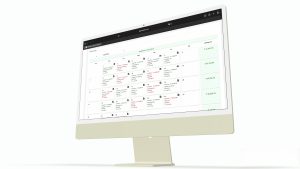
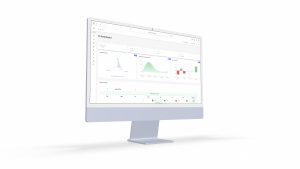
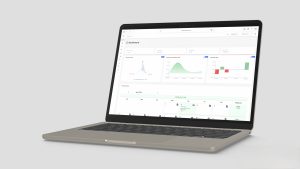
With LINCFOLIO, you can:
- Track every trade with structured data
- Tag and organize all your setups
- Compare strategies side-by-side
- Instantly see which setups are profitable
- Identify what’s working and what’s not
No spreadsheets. No confusion. No blind trading.
👉 You don’t just record trades, you understand them.
Final Thought
Your edge in trading is not your strategy.
It’s your ability to:
- Measure performance
- Identify patterns
- Eliminate mistakes
- Double down on what works
And that only comes from data.
Lincfolio Your Trades.
Stop guessing.
Start tracking.
Start improving.
Because the difference between a struggling trader and a consistent one…
isn’t strategy, it’s clarity.