Journaling

Profitable Traders Are Boring
Profitable Traders Are Boring.
They don’t chase every move.
They don’t revenge trade.
They don’t need to trade

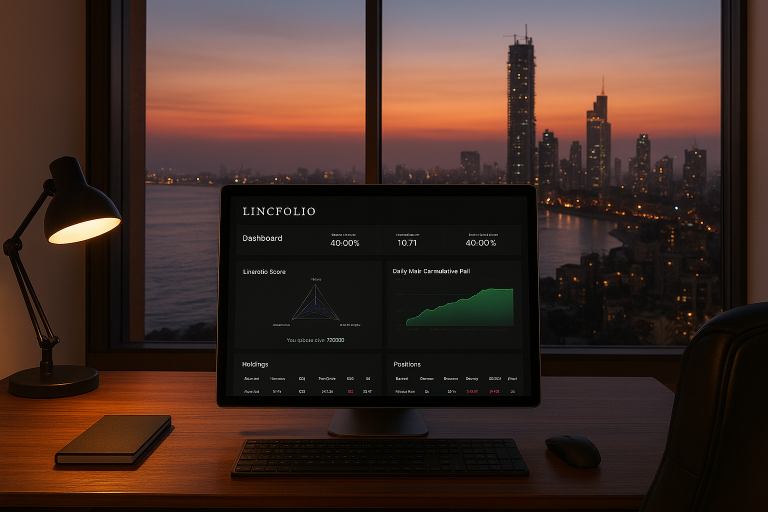
Trading without a journal is like running a business without financial records. You may get lucky occasionally, but long-term consistency becomes nearly impossible.
A trading journal template is not just a record of trades, it is a performance system that reveals patterns, controls emotions, and transforms random trades into a repeatable strategy.
In this guide, you’ll learn:
What a trading journal template truly is
Why most traders fail to use one correctly
The exact structure of a professional trading journal template
How elite traders use journaling to improve profitability
Why digital journaling platforms like Lincfolio outperform spreadsheets and notebooks
A trading journal template is a structured framework used to document, analyze, and review every trade you take.
Unlike simple trade logs, a proper template captures:
Trade data (entry, exit, position size)
Market context
Strategy rationale
Risk management
Emotional state
Post-trade analysis
The goal is not record-keeping, the goal is self-mastery.
Professional traders don’t rely on memory. Memory is emotional, selective, and inaccurate.
A trading journal helps you:
Identify profitable setups
Eliminate repeating mistakes
Control overtrading and revenge trading
Build discipline and confidence
Create a data-driven edge
Most losing traders fail not because of strategy but because they never review their own behavior.
Many traders search for:
“Free trading journal template Excel”
“Trading journal PDF”
“Trading journal Google Sheets”
While these templates look useful, they usually fail because:
 No emotional tracking
No performance analytics
Manual data entry errors
No structured review system
No long-term pattern visibility
A real trading journal must evolve with you, not remain static.
Below is the ideal trading journal template structure used by disciplined traders.
Every trade must have clear identification:
Date & time
Market (Stocks, Options, Futures)
Instrument name
Timeframe
Trade type (Intraday / Swing / Positional)
 Why it matters:
This allows you to analyze performance across instruments, sessions, and timeframes.
This section separates gamblers from traders.
Include:
Strategy name
Setup type
Reason for entry
Market bias (Bullish / Bearish / Neutral)
Confirmation signals
Elite traders only take trades they can clearly explain.
This is the heart of consistency.
Track:
Entry price
Stop-loss
Target
Risk-to-reward ratio
Capital risked (%)
A good trading journal template forces risk discipline before entry — not after loss.
Record:
Entry execution quality
Slippage
Partial exits
Adjustments made during the trade
Execution flaws often hurt more than strategy flaws.
This is where most templates fail and where real growth begins.
Rate or note:
Confidence level
Fear / greed
Stress
Patience
Discipline score
Your emotions are data. Ignore them, and they control you.
Document:
Exit price
P&L (₹ / %)
Trade duration
Was the plan followed? (Yes/No)
A profitable trade that broke rules is still a bad trade.
Answer:
What went right?
What went wrong?
What can be improved?
Would I take this trade again?
Reflection converts experience into skill.
This transforms journaling into performance growth.
Review:
Best-performing setups
Losing patterns
Emotional triggers
Discipline score trend
Rule violations
Consistency is built during review, not during execution.
| Feature | Manual Template | Digital Journal (LINCFOLIO) |
|---|---|---|
| Data accuracy | Low | High |
| Emotional tracking | Limited | Advanced |
| Performance analytics | None | Built-in |
| Strategy optimization | Manual | Automated insights |
| Scalability | Poor | Excellent |
Lincfolio is not just a trading journal, it’s a performance intelligence platform.
With Lincfolio, you get:
Structured professional trading journal templates
Advanced analytics & insights
Emotional and behavioral tracking
Strategy performance dashboards
Broker integrations (where applicable)
Premium, distraction-free experience
Lincfolio is built for traders who treat trading as a craft — not a gamble.
If you’re serious about improving your trading performance:
Stop relying on memory
Stop using incomplete free templates
Start tracking data + psychology + discipline
Review weekly without emotions
Use a system designed for growth
Your edge is not the market, your edge is self-awareness.
A trading journal template is the difference between:
Random outcomes and repeatable results
Emotional decisions and disciplined execution
Short-term wins and long-term mastery
The best traders don’t trade more, they review better.
 Start journaling the right way with Lincfolio.
Profitable Traders Are Boring.
They don’t chase every move.
They don’t revenge trade.
They don’t need to trade
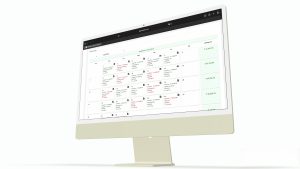
What does a profitable trader’s week actually look like?
It isn’t filled with constant trades or perfect predictions. It’s
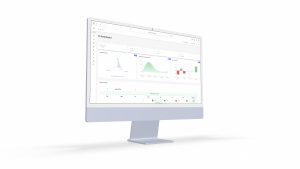
Most traders spend years searching for a profitable strategy.
Few spend time understanding themselves.
A strategy tells you
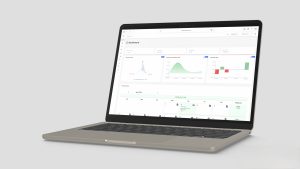
Most traders don’t fail because of strategy.
They fail because they never truly understand their own behavior.
The
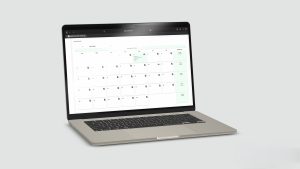
Most traders don’t lose because of bad strategies.
They lose because they repeat the same mistakes every single week
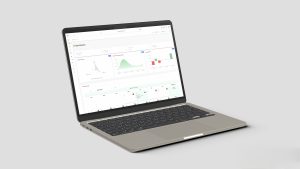
Most traders believe their losses come from poor strategies or bad market conditions. The truth is far simpler: they don’t